
FINDER does not operate cameras. It connects to the license plate reader system your agency already runs, makes those reads searchable next to your reports, and builds a hotlist back out of your own case data.
Included with every FINDER Investigate subscription.
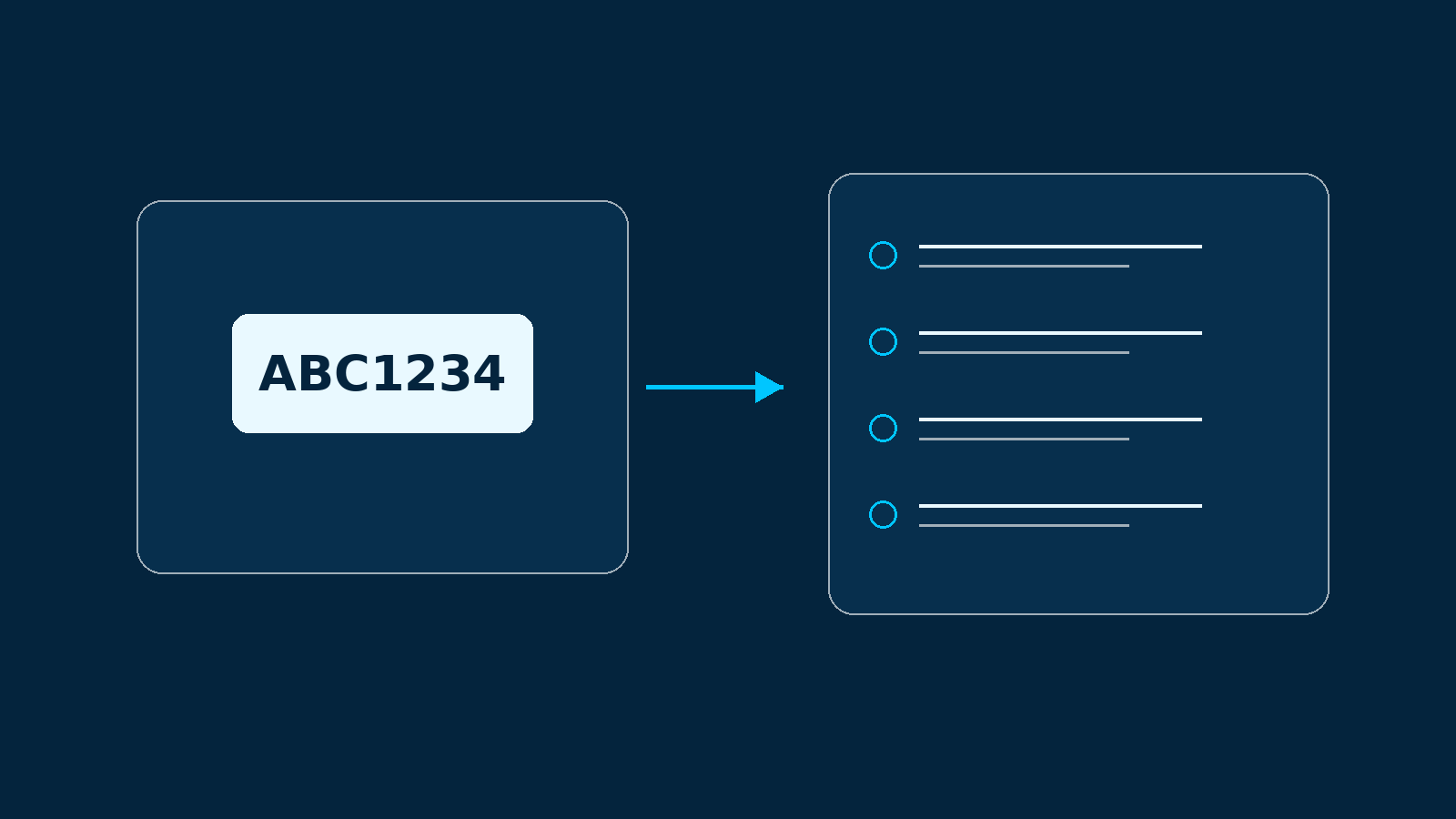
Agencies invest in readers, collect a great deal of data, and then work it in isolation. A detective with a partial plate has to know to go look, has to have access, and has to carry whatever they find back into the case by hand.
In FINDER, a plate is just another searchable element. It returns alongside reports, pawn transactions, bulletins, and public records, so the connection gets made in the search rather than in somebody’s memory.
Query a full or partial plate and see it against your agency’s records and the shared network, not just against the reader system it came from.
Plates tied to an active case surface when they are read, with the case context attached, so the person who gets the hit knows immediately why it matters.
A report that builds a hotlist out of your own case data by crime type, then pushes it back into your LPR system so the readers are looking for what your cases say matters.
Agencies usually load whatever list they were given and leave it. Top Plates works the other direction. It reads the case data your agency has already contributed, ranks plates by crime type, and produces a hotlist grounded in what is actually happening in your jurisdiction.
That list pushes back into your LPR system, which closes the loop: your cases inform what the readers prioritize, and the reads come back into the cases.
LPR draws scrutiny, and it should. Here is where the lines sit.
FINDER integrates with the LPR system your agency already owns and operates. We do not run cameras, and we do not sell reader hardware or collection services.
Contribution does not transfer ownership. Your retention policy governs your reads, and sharing across the network runs through executed participation agreements.
Permissions are assigned by role. Plate search is available to authorized personnel for criminal justice purposes, not opened to everyone with a login.
Searches are logged with a named user, a timestamp, and a stated purpose, which is what makes an internal review or an audit answerable.
Complete the form and a member of our team will reach out. If you already have an account and need technical or administrative help, use the support form instead.

Supporting law enforcement for over 20 years.
© 2026 FINDER® Software Solutions LLC